NYS Beginning Farmer Competitive Grant Program: Complete 2026 Guide for New York Farmers
Topic guide: Small business grants · All grant resources
In this guide
- Understanding NYS Beginning Farmer Competitive Grant Program
- What Is the NYS Beginning Farmer Competitive Grant Program?
- Who Administers the Program?
- Why This Program Exists
- Who Is Considered a Beginning Farmer in New York?
- Who Is Eligible for New York Beginning Farmer Grants?
- Grant Amounts and Funding Available
- What Can Grant Funds Be Used For?
- What Projects Are Most Competitive?
- Step-by-Step Application Process
- How American Grant Writers Can Help
- Our Experience With Farmer Grant Programs
- Common Reasons Applications Are Rejected
- How to Improve Your Chances of Winning
- Other Funding Programs for Beginning Farmers
- Conclusion
- Need Help Applying for the NYS Beginning Farmer Competitive Grant Program?
Understanding NYS Beginning Farmer Competitive Grant Program
New York State is making a serious investment in its next generation of farm operators. The NYS Beginning Farmer Competitive Grant Program, administered by the New York Farm Viability Institute (NYFVI) in partnership with the New York State Department of Agriculture and Markets, has opened its second round with $1.7 million in funding available through June 14, 2026. If you are among New York’s beginning farmers seeking agricultural startup funding, farm equipment grants, or capital to expand an operation, this is one of the most accessible New York beginning farmer grant opportunities currently available at the state level.
Table of Contents
- What Is the NYS Beginning Farmer Competitive Grant Program?
- Who Administers the Program?
- Why This Program Exists
- Who Is Considered a Beginning Farmer in New York?
- Who Is Eligible for New York Beginning Farmer Grants?
- Grant Amounts and Funding Available
- What Can Grant Funds Be Used For?
- Step-by-Step Application Process
- Best Way to Secure the $500,000 Education Grant
- Common Reasons Applications Are Rejected
- How to Improve Your Chances of Winning
- Other Funding Programs for Beginning Farmers
- Frequently Asked Questions
What Is the NYS Beginning Farmer Competitive Grant Program?
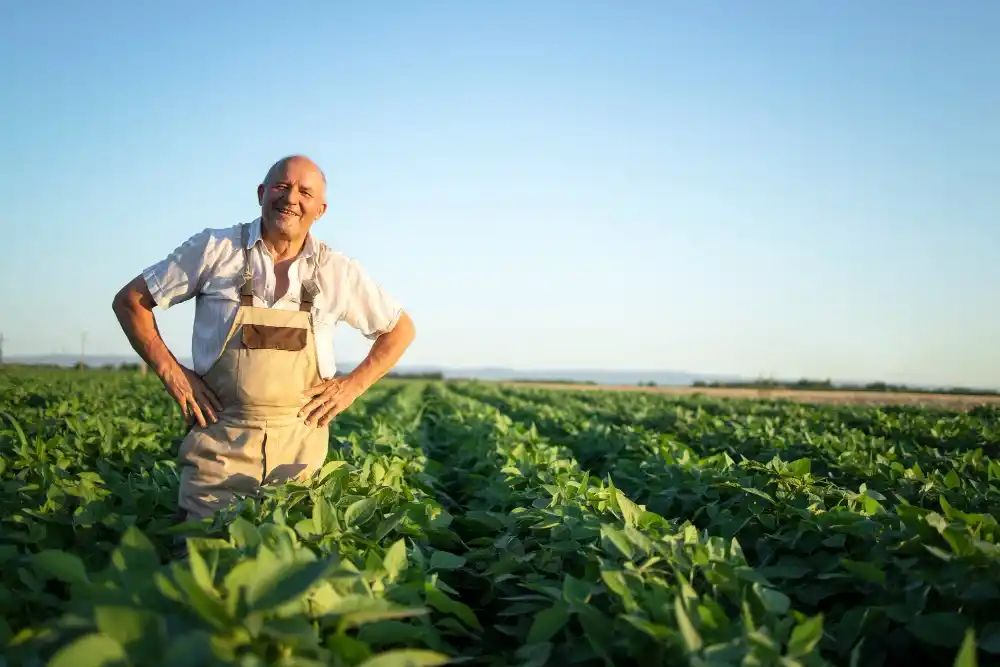
The NYS Beginning Farmer Competitive Grant Program (BFCG) is a state-funded initiative designed to assist beginning farmers in building financially sustainable, independent, commercial agricultural enterprises throughout New York. The 2026 Beginning Farmer Competitive Grant, is the second round of this program, offers $1.7 million in beginning farmer funding opportunities for farmers who meet defined eligibility criteria.
This is a reimbursement-based grant: awardees spend eligible funds first, then submit documentation for reimbursement. Awards range from $5,000 to $200,000, and all recipients must provide a 5% match regardless of award size. The program supports farm startup, improvement, and expansion across any type of agricultural product except cannabis.
Who Administers the Program?
The New York Farm Viability Institute (NYFVI) runs the program in close collaboration with the New York State Department of Agriculture and Markets. NYFVI is an independent nonprofit led by farmers, dedicated to strengthening commercial agricultural enterprises across New York State.
The Beginning Farmer grant program was funded through the FY2023–2024 and FY2024–2025 NYS Enacted Budgets with support from Governor Kathy Hochul and the New York State legislature. It builds on broader efforts to expand opportunities in agriculture to more New Yorkers through programs including the Socially and Economically Disadvantaged Farmers Grant Program. Applications are managed through NYFVI’s online portal at nyfvi.org.
Why This Program Exists
New York’s agricultural workforce development pipeline faces a succession crisis, the average NYS farmer is 65 years old. High startup costs around equipment, land, and infrastructure block many would-be operators from entering agriculture. The New York beginning farmer grant was designed to close that gap.
As New York Farm Viability Institute Executive Director Aaron Ristow noted, the program is meant to “allow our emerging farmers the means to purchase new equipment” and support beginning farmers in building viable operations. In Round 1, 296 applications requested over $21 million, and only 19 farms were funded, totaling $850,000. Round 2 doubles that investment. The competitive nature of this NY beginning farmer competitive grant means preparation is everything.
Who Is Considered a Beginning Farmer in New York?
A beginning farmer is any individual or business entity, with 10 years or less of farm operation experience who will materially and substantially participate in operating a farm in New York State. The 10 years farming experience rule is a hard eligibility cutoff: exceeding it disqualifies an application outright.
Beginning Farmer Eligibility Checklist:
- 10 years or less of farm operation experience
- Will materially and substantially participate in operating a farm in New York
- Farm produces any agricultural product (cannabis excluded)
- Farm is located within New York State
- Project demonstrates potential to grow the business and improve financial sustainability
- Farms generating less than $1,000 in prior-year income must submit a formal business plan
Who Is Eligible for New York Beginning Farmer Grants?
Agricultural eligibility requirements for the 2026 BFCG:
- Farm operator definition: Applicants must actively manage a New York farm (not passively own)
- Geographic eligibility: Farm must operate within New York State
- Commercial enterprise: Must be a for-profit agricultural business, nonprofits are ineligible
- Agricultural product: Any type of agricultural product qualifies except cannabis
- Business plan: Required for farms generating less than $1,000 in prior-year income
- Match capacity: Applicants must demonstrate access to at least 5% of total project costs from non-grant funds
Grant Amounts and Funding Available
| Track | Award Range | Project Timeline |
|---|---|---|
| Track 1 | $5,000 – $50,000 | 18 months from contract |
| Track 2 | $50,001 – $200,000 | 24 months from contract |
Total NYS agriculture grant funding available: $1,700,000
Application period: March 16 – June 14, 2026
Required match: 5% of total project cost
Grant structure: Reimbursement-based
The matching requirement grant (5% match) is among the lowest thresholds of any comparable USDA-style state grant program, making this NY agricultural grant for farmers genuinely accessible to early-stage operators. Vehicles and boats are explicitly ineligible.
What Can Grant Funds Be Used For?
Farm Equipment Purchase: Machinery, irrigation systems, precision tools, and harvest equipment tied to measurable productivity improvement.
Livestock Purchase: Cattle, poultry, sheep, aquaculture stock, and other animals for commercial production, tied to revenue projections demonstrating crop and livestock expansion.
Farm Infrastructure: Barns, greenhouses, cold storage, hoop houses, and processing facilities. Agricultural infrastructure funding must support commercial farm operations.
Farm Land Acquisition: Purchase of agricultural land and structures tied to a new farm operation or farm expansion grant project.
Agricultural Business Development: Value-added agriculture, farm-to-market strategy development, agribusiness development, and marketing initiatives.
Agricultural Workforce Development: Training for workers, apprenticeship opportunities, and practical on-farm skill development focused on improving farm business sustainability.
Sustainable Agriculture Practices: Conservation and land use planning, soil health investments, and other farm improvement grant activities that strengthen long-term farm viability and sustainability.
What Projects Are Most Competitive?
Round 1’s 6.4% funding rate makes reviewer alignment essential. Funded projects across livestock, aquaculture, apples, wine grapes, craft beverages, poultry, vegetables, dairy, cut flowers, and diversified operations shared common traits:
Strong project characteristics:
- Measurable outcomes tied directly to farm profitability improvement
- Realistic financial projections backed by market data or operational history
- Clear connection between the investment and agricultural financial sustainability
- Demonstrated production scalability and a farm commercialization pathway
- Evidence of farm feasibility assessment and project feasibility evaluation
Weak project profiles:
- Equipment requests with no operational impact narrative
- Budgets with inflated or vague line items
- Revenue projections disconnected from current farm scale
- Applications from farms with no documented commercial agricultural enterprise activity
Step-by-Step Application Process
Step 1: Read the Technical Requirements
Download from nyfvi.org before anything else. This governs all eligibility, budget structure, and grant compliance rules.
Step 2: Take the Eligibility Quiz
The online portal opens with a screening tool. A single “No” disqualifies the application before it reaches reviewers.
Step 3: Gather Required Documents:
- Project narrative with measurable outcomes
- Budget using NYFVI’s required budget template
- Financial projections and prior-year income records
- Business plan (required for farms under $1,000 in prior-year income)
- Match funding documentation
Applicants may also benefit from grant resource guidance, which can help identify, organize, and prepare the necessary documentation to ensure full compliance with application requirements and improve overall submission quality.
Step 4: Submit Through the Online Portal
Create a profile at NYFVI’s GrantInterface portal at nyfvi.org and complete all narrative, budget, and upload sections.
Step 5: Submit Before Deadline
Applications for 2026, are available through June 14. Late submissions are not accepted.
Step 6: Post-Award Reimbursement
Incur and pay expenses first, then submit reimbursement documentation through the Statewide Financial System Grants Management System within your track timeline.
How American Grant Writers Can Help
The NYS Beginning Farmer Competitive Grant Program is a highly selective agricultural investment grant, and the application demands grant writing, financial documentation, and project narrative skills most farmers have never been required to develop. With a 6.4% funding rate in Round 1, the margin for error is narrow.
Professional grant experts, such as the American Grant Association, provide:
Eligibility Reviews: Confirm your farm meets all BFCG beginning farmer eligibility NY requirements before committing to a full application
Agricultural Grant Research: Identify complementary funding from USDA beginning farmer programs, state programs, and private sources
Grant Matching: Locate and document eligible 5% match contributions
Grant Resource Guidance: Align your budget, narrative, and documentation with program scoring criteria
Grant Community Support: Connect you with cooperative extension services, K-12 agriculture extension networks, and agri-entrepreneurship support resources across rural New York farming communities
If you’re serious about competing for this farm business development grant, and building a broader agricultural funding strategy, professional grant support meaningfully improves the quality of your submission.
Our Experience With Farmer Grant Programs

Working across New York beginning farmer grant applications has shown us patterns that official program guides never spell out, but that consistently separate funded proposals from rejected ones.
Many applicants overlook how simplicity in administration improves ranking
Reviewers process dozens of submissions. Applications that are clean, logically organized, and easy to navigate create less friction, and friction creates doubt. Formatting matters more than applicants realize.
Timing affects outcomes significantly
Submitting early signals operational readiness. It also leaves room to respond if NYFVI staff flags an eligibility issue before the June 14 close. Farmers who submit in the final week lose that buffer entirely.
Communication clarity functions as execution credibility
Reviewers cannot visit your farm. The way you write about your project is the only evidence they have that you can execute it. Vague language, such as “funds will be used to improve operations”, signals uncertainty. Specific, confident language signals a farmer who has already thought through implementation.
Relationships matter, but not through favoritism
The advantage experienced applicants gain is procedural: they make themselves easy to process. Responsive to clarifications. Complete on the first submission. Familiar with the project type being funded. When a reviewer has 296 applications to evaluate, the ones that create zero administrative uncertainty naturally receive more favorable attention.
AI-generated language, vague use of funds, and unsubstantiated impact claims are likely internal elimination factors
We have reviewed applications that checked every eligibility box but read as generic. If your narrative could describe any farm anywhere, it will not compete against one that describes yours specifically. Reviewers can tell the difference, and in a program this competitive, generic is fatal.
Common Reasons Applications Are Rejected
- Eligibility failure: Misapplying the farm operator definition or exceeding the 10 years or less of farm operation experience threshold
- Weak narrative: Describing what will be purchased without explaining the economic impact on farm operations
- Budget errors: Costs that are not eligible, lack of required matching documentation, or discrepancies between reported figures and the project description
- No measurable outcomes: Vague language fails competitive grant application NY scoring criteria
- Unrealistic projections: Revenue forecasts disconnected from documented farm scale
- Missing business plan: Farms under the $1,000 income threshold that skip this document are ineligible by default
To better understand how to strengthen your application and avoid these issues, explore our detailed resource on Common Mistakes in Grant Applications and How to Prevent Them, which breaks down frequent errors and practical prevention strategies.
How to Improve Your Chances of Winning
- Lead with financial impact
- Budget with specificity
- Quantify outcomes
- Review the Round 1 Recap
- Watch the recorded information sessions
Other Funding Programs for Beginning Farmers
| Program | Funder | Award Range | Match | Focus |
|---|---|---|---|---|
| NYS Beginning Farmer Competitive Grant | NYFVI / NYS AGM | $5,000–$200,000 | 5% | Startup, expansion, equipment |
| USDA Beginning Farmer Programs (FSA) | USDA | Varies | Varies | Land purchase, operating loans |
| Value-Added Producer Grant | USDA Rural Development | Up to $250,000 | 50% | Value-added agriculture |
| Farm Credit Programs | Farm Credit East | Loan-based | N/A | Agricultural lending institutions |
| Cooperative Extension Services | Cornell Cooperative Extension | None | N/A | Technical assistance, training |
USDA beginning farmer programs through the Farm Service Agency offer loan guarantees complementing grant funding. The value-added producer grant requires a higher match but supports larger-scale agribusiness development. Farm credit systems and agricultural lending institutions cover working capital gaps grants don’t address. Cooperative extension services provide free technical support and should be part of any New York farm funding program strategy.
These programs represent just a few categories within the wider funding ecosystem. For a clearer breakdown of how different grant types work, read our blog on Types of Grants in the USA.
Conclusion
The NYS Beginning Farmer Competitive Grant Program represents one of the most significant opportunities for new and early-stage farmers in New York to access meaningful capital for building and expanding their operations. With $1.7 million in funding available, low matching requirements, and support for a wide range of agricultural activities, the program is designed to lower financial barriers while strengthening the long-term viability of the state’s farming sector.
At the same time, its highly competitive nature means that success depends on far more than eligibility. Strong applications clearly connect funding requests to measurable business outcomes, demonstrate financial readiness, and present a realistic, well-structured plan for implementation. Farmers who invest time in preparation, documentation, and strategic planning position themselves far better in the review process.
Beginning farmers should treat this program not just as a funding opportunity, but as a structured pathway to build a more resilient and scalable agricultural business. Careful planning now can translate into lasting operational growth in the years ahead.
Need Help Applying for the NYS Beginning Farmer Competitive Grant Program?
With a 6.4% funding rate, the 2026 Beginning Farmer Competitive Grant Program rewards applicants who match the rigor reviewers bring to evaluation. Most rejected proposals fail not because of bad projects, they fail because of weak budgets, vague outcomes, or missing documentation.
Professional grant assistance familiar with agricultural startup funding, competitive grant program standards, and New York agriculture funding requirements can dramatically improve your proposal’s competitiveness.
Contact American Grant Writers today to schedule an eligibility review and start building a proposal that competes. Strong applications take time to build the right way.
Frequently Asked Questions
What is the NYS Beginning Farmer Competitive Grant Program?
A reimbursement-style competitive grant program managed by NYFVI in collaboration with the New York State Department of Agriculture and Markets. The 2026 cycle provides $1.7 million for beginning farmers across New York.
Who is eligible for New York beginning farmer grants?
Farmers with 10 years or less of farm operation experience who will materially and substantially participate in operating a farm in New York State, producing any agricultural product except cannabis.
How do I apply for NY farm startup funding?
Through NYFVI’s online portal at nyfvi.org. The 2026 application window is open through June 14, 2026.
What can the beginning farmer grant be used for?
Equipment, livestock, land acquisition, infrastructure, marketing, worker training, and other investments tied directly to farm viability and sustainability.
Is there a match requirement for NYS agricultural grants?
Yes, a 5% match is required of all applicants, regardless of award amount.
What is considered a beginning farmer in New York State?
A farmer with 10 years or less of experience materially and substantially participating in operating a farm in New York State.
How much funding can new farmers receive in NY?
Track 1: $5,000–$50,000. Track 2: $50,001–$200,000. Total 2026 funding available is $1.7 million.
What projects qualify for farm grant funding in New York?
Farm startup, improvement, and expansion projects including equipment purchases, livestock acquisition, land and infrastructure improvements, marketing, and worker training.
Is the NY beginning farmer grant competitive?
Yes. Round 1 received 296 applications and funded 19, a rate of approximately 6.4%. Strong documentation and measurable outcomes are essential.
How does reimbursement work in NY agricultural grants?
Awardees incur and pay eligible expenses first, then submit documentation to NYFVI for reimbursement. Track 1 has an 18-month project timeline; Track 2 has 24 months.
Note: This guide is for informational purposes only. Grant details, eligibility requirements, deadlines, and funding availability may change. Always verify the current program information through official sources before making any business or funding decisions.
Sources cited in this guide
Official government and public sources:
- New York State Department of Agriculture and Markets (agriculture.ny.gov)
- Governor Kathy Hochul (governor.ny.gov)
- New York State legislature (nysenate.gov)
Funder and program pages:
Published by American Grant Association. Program details change — verify eligibility, amounts and deadlines on the funder's official site before applying. See our disclaimer.