

Explore New Nonprofit Grants in 2026
Starting a nonprofit is an act of courage — but securing that first round of funding? That’s often where a lot of founders get stuck. Funders often want to see a track record. New nonprofits rarely have one. This creates a frustrating paradox: you need money to build impact, but funders want to see impact before giving money.
The good news is that new nonprofit grants exist specifically to break this cycle. From federal seed funding to community foundation micro-grants to corporate giving programs, there are hundreds of active opportunities designed for newly formed, early-stage, and startup nonprofit organizations.
This guide cuts through the noise. Whether you’re a newly formed 501(c)(3), a fiscally sponsored project, or an emerging grassroots organization, this is your comprehensive roadmap to nonprofit startup funding in 2026.
What Are New Nonprofit Grants?
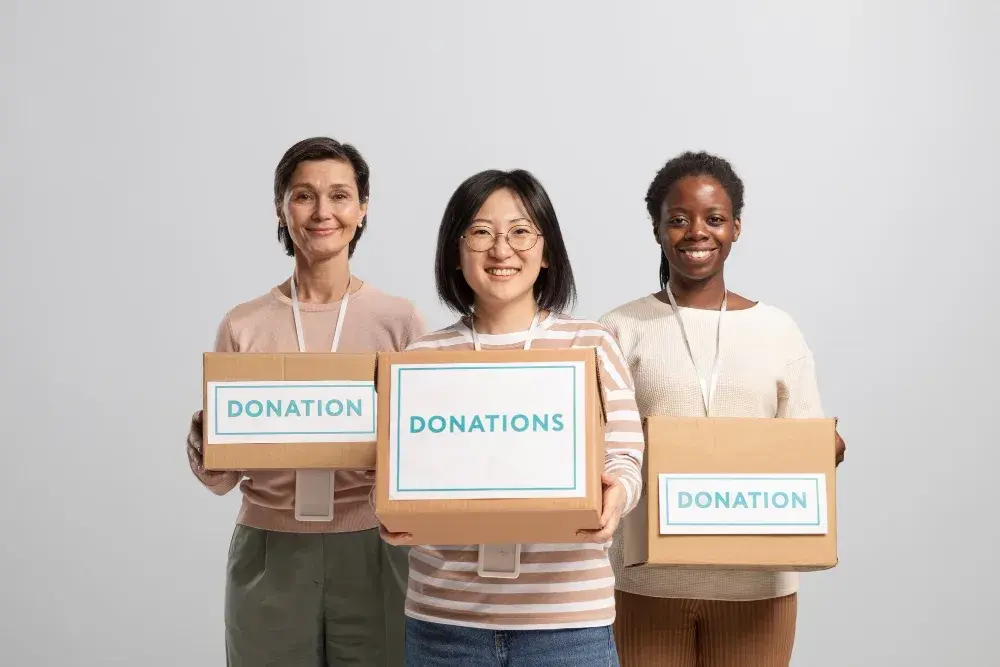
New nonprofit grants are financial awards given to early-stage, recently formed, or startup nonprofit organizations to help them establish operations, deliver programs, and build long-term sustainability — without requiring repayment.
These grants typically fall into four categories:
- Seed Grants — Small awards ($1,000–$25,000) to help new organizations launch core programs
- Startup Nonprofit Grants — Funding to cover organizational infrastructure, staffing, and first-year operations
- Capacity-Building Grants — Support for systems, technology, training, and strategic planning
- General Operating Support — Unrestricted funds that cover day-to-day organizational costs
Unlike loans, grants do not need to be repaid — but they do come with reporting requirements, compliance obligations, and expectations around measurable outcomes.
Pro tip: Many funders use the terms “startup grants,” “emerging organization grants,” and “seed funding” interchangeably. Search for all three when researching opportunities.
50+ Best New Nonprofit Grants in 2026
Category 1: Major Federal Grants (High Funding, Competitive)
Federal grants offer the largest funding amounts but require the most preparation. All require SAM.gov registration and a UEI number.
1. AmeriCorps State & National Grants
- Funding: $50,000–$2M+
- Focus: Service programs, youth, education, community development
- Eligibility: 501(c)(3)s, government entities, tribal organizations
- Timeline: Annual; varies by state commission
- Website: americorps.gov
- Why it works for new nonprofits: State-level planning grants are available for organizations still building capacity
2. USDA Farm to School Grants
- Funding: Up to $100,000
- Focus: Nutrition education, local food systems, school gardens
- Eligibility: Nonprofits, schools, tribal entities
- Timeline: Annual spring cycle
- Website: fns.usda.gov
- Why it works for new nonprofits: Planning grants available for first-time applicants
3. HUD Community Development Block Grants (CDBG)
- Funding: Varies by local jurisdiction (pass-through)
- Focus: Housing, community services, economic development
- Eligibility: New nonprofits can apply through local government entitlement communities
- Website: hud.gov
- Why it works for new nonprofits: Accessible via local entitlement communities; no direct federal application required
4. National Endowment for the Arts — Grants for Arts Projects
- Funding: $10,000–$100,000
- Focus: Arts and culture programming, public engagement
- Eligibility: 501(c)(3) arts organizations; newer orgs encouraged to apply
- Website: arts.gov
- Why it works for new nonprofits: Newer arts orgs are explicitly encouraged; smaller award tiers available
5. SAMHSA Behavioral Health Grants
- Funding: $100,000–$3M+
- Focus: Mental health, substance use prevention, crisis services
- Eligibility: Nonprofits, health agencies, tribal organizations
- Website: samhsa.gov
- Why it works for new nonprofits: Planning and capacity grants available within the SAMHSA portfolio
6. CDC Public Health Grants
- Funding: Varies widely
- Focus: Disease prevention, health equity, community health
- Website: cdc.gov/grants
- Why it works for new nonprofits: CDC Foundation partner grants are more accessible for smaller, newer organizations
7. HRSA Health Access Grants
- Funding: Varies by program
- Focus: Rural health, maternal health, workforce development
- Website: hrsa.gov
- Why it works for new nonprofits: Rural health programs specifically welcome community-based startups
8. ACF Family & Youth Services Grants
- Funding: $200,000–$1M+
- Focus: Child welfare, Head Start, refugee resettlement, youth programs
- Website: acf.hhs.gov
- Why it works for new nonprofits: Sub-grants available through larger ACF grantees
9. ACL Aging & Disability Grants
- Funding: Varies by program
- Focus: Elder services, disability support, caregiver programs
- Website: acl.gov
- Why it works for new nonprofits: State-level Area Agencies on Aging sub-grant opportunities available
10. U.S. Department of Education Workforce & Innovation Grants
- Funding: $250,000–$5M over multi-year periods
- Focus: Workforce development, education access, adult literacy
- Website: ed.gov/grants
- Why it works for new nonprofits: Innovation set-asides and planning grants exist within larger program portfolios
Category 2: Small & Seed Grants (Best for New Nonprofits)

These are the most accessible startup nonprofit grants for organizations in their first one to three years.
11. Social Justice Fund Northwest
- Funding: Up to $5,000 (seed); larger organizing grants available
- Focus: Social justice, racial equity, LGBTQ+, environmental justice
- Eligibility: Pacific Northwest organizations; fiscally sponsored groups welcome
- Website: socialjusticefund.org
12. William G. & Marie Selby Foundation SAM Grants
- Funding: $5,000–$20,000
- Focus: Human services, arts, education — Sarasota County, FL area
- Eligibility: New nonprofits with at least one year of operation
- Website: selbyfdn.org
13. Community Foundation Open Door Grants
- Funding: $1,000–$15,000 (varies by foundation)
- Focus: Local community needs; varies by region
- Why it works: Most community foundations have open cycles for emerging orgs
14. United Way Community Impact Grants
- Funding: $5,000–$50,000
- Focus: Education, financial stability, health
- Eligibility: Varies by local United Way chapter
- Website
- Why it works for new nonprofits: Newer arts orgs are explicitly encouraged; smaller award tiers available
15. Rotary Foundation District Grants
- Funding: $1,500–$30,000
- Focus: Humanitarian projects, youth, peace, disease prevention
- Eligibility: Groups sponsored by a Rotary club
- Website: rotary.org
16. Kiwanis International Youth Grants
- Funding: Up to $25,000
- Focus: Children's services, youth development
- Website: kiwanis.org
17. Lions Clubs International Foundation Community Grants
- Funding: $5,000–$100,000
- Focus: Vision, health, hunger, environment, childhood cancer
- Website: lcif.org
18. American Chemical Society Outreach Grants
- Funding: Up to $5,000
- Focus: STEM education and chemistry outreach
- Website: acs.org
19. Local Community Foundation Challenge Grants
- Funding: Variable matching grants
- Focus: Grassroots capacity and community-identified needs
- Why it works: Matching requirements build donor base while earning foundation support
20. ACS Student Community Starter Grants
- Funding: Up to $3,000
- Focus: Small STEM nonprofits and community science education
- Why it works: One of the most accessible entry-level grants for science-focused new nonprofits
21. Z. Smith Reynolds Foundation Small Grants
- Funding: $5,000–$30,000
- Focus: North Carolina nonprofits; social justice, democracy, environment
- Website: zsr.org
- Why it works: Welcomes newer NC organizations and grassroots groups
22. PNC Foundation Grow Up Great Grants
- Funding: $5,000–$50,000
- Focus: Early childhood education, school readiness
- Eligibility: Nonprofits in PNC service areas
- Website: pnc.com/growupgreat
- Why it works: Corporate foundation with accessible online application for new nonprofits
Category 3: Capacity-Building Grants (Operations, Growth, Systems)
23. Bank of America Community Development Grants
- Funding: $5,000–$200,000
- Focus: Economic mobility, workforce, housing, health
- Website: about.bankofamerica.com
24. Wells Fargo Foundation Capacity Grants
- Funding: Varies
- Focus: Financial health, housing, small business, diversity
- Website: wellsfargo.com/about/corporate-responsibility
25. Robert Wood Johnson Foundation Systems Grants
- Funding: $100,000–$500,000+
- Focus: Health systems, equity, community well-being
- Website: rwjf.org
26. Kresge Foundation Organizational Growth Grants
- Funding: $100,000–$750,000
- Focus: Arts, community development, education, health, environment
- Website: kresge.org
27. Ford Foundation Building Institutions Grants
- Funding: Multi-year general operating support
- Focus: Social justice, gender equity, racial equity
- Website: fordfoundation.org
28. Surdna Foundation Capacity Support Grants
- Funding: $100,000–$300,000
- Focus: Thriving cultures, sustainable environments, inclusive economies
- Website: surdna.org
29. 100WomenStrong Grants
- Funding: Up to $100,000
- Focus: Women and girls, community health, economic empowerment
- Why it works: Explicitly supports emerging women-led organizations
30. Rockefeller Philanthropy Advisors Grants
- Funding: Variable
- Focus: Multi-sector; fiscal sponsorship and capacity building supported
- Website: rockpa.org
31. Cape Cod Foundation Capacity Grants
- Funding: Up to $15,000
- Focus: Cape Cod, MA nonprofits; organizational development
- Why it works: Explicitly designed for smaller, newer organizations
32. Nonprofit Infrastructure Investment Programs (State-Based)
- Funding: Varies by state
- Focus: Technology, staffing, strategic planning, evaluation systems
- Why it works: Many states funded these programs post-pandemic; check your state arts and human services agencies
33. Lumina Foundation Grants
- Funding: $100,000–$1M+
- Focus: Postsecondary education attainment, equity in higher education
- Website: luminafoundation.org
- Why it works: Supports new organizations piloting innovative credential or pathway models
34. W.K. Kellogg Foundation Grants
- Funding: $100,000–$1M+ (multi-year)
- Focus: Children, families, racial equity, community and civic engagement
- Website: wkkf.org
- Why it works: WKKF invests in early-stage organizations demonstrating community-led solutions
Category 4: Health & Social Impact Grants
35. Annie E. Casey Foundation Child Welfare Grants
- Funding: Multi-year; $250,000–$2M
- Focus: Child welfare, family strengthening, racial equity
- Website: aecf.org
36. Blue Cross Blue Shield Foundation Grants
- Funding: $25,000–$200,000 (varies by state affiliate)
- Focus: Health access, mental health, health equity
- Website: Check your state BCBS Foundation
37. CVS Health Foundation Community Grants
- Funding: Up to $25,000
- Focus: Health access, substance use, mental health, childhood nutrition
- Website: cvshealth.com/social-responsibility
38. AARP Foundation Aging Grants
- Funding: Varies
- Focus: Financial security, hunger, isolation among older adults
- Website: aarp.org/aarp-foundation
39. CDC Foundation Partner Grants
- Funding: Varies; often $50,000–$500,000
- Focus: Public health innovation, disease prevention
- Website: cdcfoundation.org
40. Kaiser Permanente Community Health Grants
- Funding: $25,000–$500,000
- Focus: Health equity, mental health, chronic disease prevention
- Eligibility: Nonprofits in Kaiser service regions
- Website: community.kp.org
- Why it works: Regional grant cycles welcome newer community health organizations
41. United Health Foundation Grants
- Funding: $10,000–$150,000
- Focus: Community health access, preventive care, health literacy
- Website: unitedhealthfoundation.org
42. Robert Wood Johnson Foundation Behavioral Health Funding
- Funding: $100,000–$1M+
- Focus: Mental health equity, addiction recovery, crisis intervention
- Website: rwjf.org
43. Substance Use Prevention State Block Grants (SAMHSA Pass-Through)
- Funding: Variable (via state substance abuse agencies)
- Focus: Prevention, treatment, recovery support services
- Why it works: Sub-grants through state agencies are more accessible for new local nonprofits
44. Humana Foundation Community Grants
- Funding: $5,000–$100,000
- Focus: Health equity, food security, aging, social determinants of health
- Website: humanafoundation.org
- Why it works: Welcomes newer nonprofits aligned with social determinants of health framework
Category 5: Education, Youth & Workforce Grants
45. Gates Foundation Education Grants
- Funding: $100,000–$5M
- Focus: K–12 reform, postsecondary access, education equity
- Eligibility: Nonprofits, NGOs, education institutions, research organizations
- Timeline: Rolling invitations and program-specific cycles
- Website: Bill & Melinda Gates Foundation
- Why it works for new nonprofits: Large ecosystem of education pilots and implementation partners often allows smaller organizations to join as collaborators or sub-grantees
46. Walmart Foundation Education & Workforce Grants
- Funding: $25,000–$250,000
- Focus: Job training, education access, economic mobility
- Eligibility: Nonprofits and community-based organizations
- Timeline: Annual and rolling cycles depending on initiative
- Website: Walmart Foundation
- Why it works for new nonprofits: Frequently supports local, community-led workforce programs and pilot initiatives
47. Google.org Impact Challenge Grants
- Funding: $250,000–$2M
- Focus: Tech-driven social innovation, digital solutions for public good
- Eligibility: Nonprofits, social enterprises, and civic tech organizations
- Timeline: Periodic open calls and themed challenges
- Website: Google.org
- Why it works for new nonprofits: Open calls often favor scalable prototypes and early-stage innovation projects
48. Meta Community Action Grants
- Funding: $50,000–$500,000
- Focus: Digital equity, community resilience, local impact initiatives
- Eligibility: Nonprofits and community organizations
- Timeline: Periodic application cycles
- Website: Meta
- Why it works for new nonprofits: Supports grassroots digital inclusion projects and local pilot programs
49. Dell Technologies Youth Learning Grants
- Funding: $50,000–$500,000
- Focus: STEM education, youth technology access, digital skills
- Eligibility: Nonprofits, schools, and youth-focused organizations
- Timeline: Annual and invitation-based cycles
- Website: Dell Technologies
- Why it works for new nonprofits: Often funds scalable STEM education pilots and school/community partnerships
50. Comcast NBCUniversal Impact Grants
- Funding: $25,000–$250,000
- Focus: Digital inclusion, workforce development, media and technology access
- Eligibility: Nonprofits and community organizations
- Timeline: Annual and program-based cycles
- Website: Comcast Corporation
- Why it works for new nonprofits: Frequently funds local, place-based digital equity initiatives
51. NBA Foundation Youth Workforce Grants
- Funding: $100,000–$750,000
- Focus: Economic advancement for Black youth, workforce readiness, education-to-employment pathways
- Eligibility: Nonprofits serving Black youth and underserved communities
- Timeline: Annual grant cycles
- Website: NBA Foundation
- Why it works for new nonprofits: Prioritizes community-rooted organizations working in workforce development
52. Microsoft Community Skills Grants
- Funding: $25,000–$250,000
- Focus: Digital literacy, workforce development, AI and tech skills training
- Eligibility: Nonprofits, workforce agencies, education providers
- Timeline: Rolling and program-specific cycles
- Website: Microsoft Philanthropies
- Why it works for new nonprofits: Strong support for pilot programs and scalable skills-training initiatives
53. Adobe Creativity Grants
- Funding: $10,000–$50,000
- Focus: Arts education, creative workforce development, digital creativity tools
- Timeline: Annual or cohort-based programs
- Website: Adobe
- Why it works for new nonprofits: Smaller grant sizes make it accessible for early-stage creative education programs
54. Verizon Digital Equity Grants
- Funding: $10,000–$250,000
- Focus: Internet access, digital literacy, connectivity for underserved communities
- Eligibility: Nonprofits and community-based organizations
- Timeline: Rolling and initiative-based cycles
- Website: Verizon
- Why it works for new nonprofits: Designed to support local, scalable digital inclusion projects with flexible entry points
Category 6: Environment, Housing & Equity Grants
55. Environmental Justice Collaborative Problem-Solving (EJCPS) Grants — EPA
- Funding: Up to $1M
- Focus: Environmental justice, clean air, water quality, community health
- Eligibility: Nonprofits in overburdened communities; new organizations welcome
- Website: epa.gov/environmentaljustice
- Why it works: Explicitly prioritizes grassroots, community-based organizations
56. National Housing Trust Fund Grants (HUD Pass-Through)
- Funding: Varies by state allocation
- Focus: Affordable housing construction, preservation, and operations
- Eligibility: Community housing nonprofits, CDFIs, and new affordable housing orgs
- Website: hud.gov/NHTF
- Why it works: State housing finance agencies distribute funds and often welcome emerging CDCs
57. Robert Wood Johnson Foundation Culture of Health Grants
- Funding: $100,000–$500,000
- Focus: Equitable community conditions, affordable housing, environmental health
- Website: rwjf.org
- Why it works: Equity-focused; invests in community-led solutions including newer nonprofits
58. Patagonia Environmental Grants
- Funding: $5,000–$30,000
- Focus: Grassroots environmental activism, conservation, climate action
- Eligibility: Small, activist-focused environmental nonprofits
- Website: patagonia.com/grants
- Why it works: One of the few corporate foundations that explicitly funds grassroots, early-stage environmental groups
59. 11th Hour Project Grants
- Funding: $50,000–$200,000
- Focus: Food systems, sustainable agriculture, marine ecosystem restoration
- Website: 11thhourproject.org
- Why it works: Funds emerging organizations working on regenerative food and environmental systems
60. JPMorgan Chase Foundation Advancing Cities Grants
- Funding: $100,000–$1M
- Focus: Affordable housing, workforce development, small business access
- Eligibility: Nonprofits in JPMorgan service markets
- Website: jpmorganchase.com/impact
- Why it works: Explicitly supports new community-based organizations in underserved urban markets
Category 7: Tech & Corporate Innovation Grants
61. AWS Imagine Grant
- Funding: Up to $100,000
- Focus: Cloud technology for nonprofits, digital transformation, innovation in social impact
- Eligibility: U.S. and global nonprofits using or planning to use cloud-based solutions
- Timeline: Annual application cycles
- Website: https://aws.amazon.com/government-education/nonprofits/
- Why it works for new nonprofits: Strong fit for early-stage nonprofits building tech capacity, with both cash and AWS cloud credits support
62. Cisco Global Impact Cash Grants
- Funding: Up to $75,000
- Focus: Critical human needs, education, economic empowerment, digital inclusion
- Eligibility: Nonprofits and social impact organizations
- Timeline: Rolling and program-based cycles
- Website: https://www.cisco.com/
- Why it works for new nonprofits: It often backs smaller organizations that respond to urgent community needs and build scalable, tech-enabled solutions
63. Walmart Spark Good Local Grants
- Funding: $250–$5,000
- Focus: Local community needs, food security, education, workforce support
- Eligibility: Local 501(c)(3) nonprofits and community-based organizations
- Timeline: Monthly application cycles
- Website: https://walmart.org/sparkgood/
- Why it works for new nonprofits: Highly accessible micro-grants designed specifically for grassroots and early-stage nonprofits
64. Target Foundation Grants
- Funding: Varies (typically $50,000–$500,000 depending on program)
- Focus: Education, arts, family stability, community well-being
- Eligibility: Nonprofits aligned with Target Foundation focus areas
- Timeline: Invitation-based and periodic cycles
- Website: https://corporate.target.com/corporate-responsibility/target-foundation/
- Why it works for new nonprofits: Supports community-focused programs, often partnering with smaller organizations through local initiatives
65. American Express Grants
- Funding: Varies by program
- Focus: Cultural heritage, leadership development, community service, economic empowerment
- Eligibility: Nonprofits, cultural institutions, community organizations
- Timeline: Invitation-based and program-specific cycles
- Website: https://www.americanexpress.com/
- Why it works for new nonprofits: Often funds leadership and community capacity-building programs, sometimes through partnerships and intermediaries
66. State Farm Neighborhood Assist
- Funding: $25,000
- Focus: Community improvement, safety, education, disaster resilience
- Eligibility: U.S.-based nonprofits
- Timeline: Annual public nomination and voting cycle
- Website: https://www.neighborhoodassist.com/
- Why it works for new nonprofits: Public voting model gives emerging nonprofits a real chance to win funding without deep grant-writing history
67. FedEx Cares
- Funding: Varies (often $10,000–$100,000 depending on program)
- Focus: Disaster response, logistics support, community resilience, workforce development
- Eligibility: Nonprofits and community organizations
- Timeline: Rolling and initiative-based cycles
- Website: https://www.fedex.com/en-us/careers/corporate-citizenship.html/
- Why it works for new nonprofits: Supports practical, on-the-ground initiatives with flexible, need-based funding
68. Salesforce Accelerator Programs
- Funding: Technology grants, cloud credits, and capacity-building support (value varies widely)
- Focus: Digital transformation, nonprofit tech infrastructure, scaling impact
- Eligibility: Nonprofits with growth potential and tech adoption needs
- Timeline: Cohort-based accelerator cycles
- Website: https://www.salesforce.com/solutions/nonprofit/overview/
- Why it works for new nonprofits: Provides both funding equivalents (cloud credits) and technical mentorship, ideal for early-stage digital nonprofits
10 Nonprofit Grants You Can Apply for Right Now (May–June 2026)
|
Grant
|
Deadline
|
Geography
|
Focus
|
Funding
|
|---|---|---|---|---|
|
Alliant Energy Foundation Community Grants
|
May 15, 2026
|
Iowa, Wisconsin
|
Community development, energy, education
|
Mid-size
|
|
Gardner Foundation Grants
|
May 1, 2026
|
Nebraska, Iowa
|
Education, health, community
|
Small–Mid
|
|
Henry and Louise Timken Foundation Grant
|
May 1, 2026
|
Stark County, OH
|
Human services, community programs
|
Variable
|
|
NC Arts Council Projects Pool Grants
|
May 14, 2026
|
North Carolina
|
Arts, culture, creativity
|
$1K–$10K
|
|
Waukegan Arts Council Public Art Grants
|
May 1, 2026
|
Illinois
|
Public art, civic beautification
|
Variable
|
|
Liberty HealthShare Sharing Hearts Fund
|
May 15, 2026
|
Ohio
|
Pediatric health, family medical
|
Under $1K
|
|
Casella Waste Management Scholarship Program
|
May (late cycle)
|
New York region
|
Environmental education
|
Variable
|
|
Illinois Specialty Crop Block Grant Program
|
June 5, 2026
|
Illinois
|
Agriculture, food systems, nutrition
|
Variable
|
Act quickly on time-sensitive opportunities. A professional grant consultant can turn around compelling proposals in 5–10 business days for grants with short windows.
Grant Readiness Checklist for New Nonprofits
Before you apply for a single grant, make sure your organization is grant-ready. Funders expect documentation, governance, and operational clarity — even from brand-new organizations.
|
Requirement
|
Why It Matters
|
|---|---|
|
IRS 501(c)(3) Determination Letter
|
Confirms tax-exempt status — required by most funders
|
|
Employer Identification Number (EIN)
|
Required for all financial transactions and grant applications
|
|
Board of Directors (minimum 3 members)
|
Demonstrates governance and organizational legitimacy
|
|
SAM.gov Registration
|
Required for all federal grants
|
|
Unique Entity Identifier (UEI)
|
Replaced DUNS number; obtained via SAM.gov
|
|
Grants.gov Account
|
Required to access and apply for federal opportunities
|
|
Operating Budget
|
Shows financial transparency and planning capacity
|
|
Statement of Need
|
Articulates the community problem your org addresses
|
|
Logic Model
|
Maps inputs → activities → outputs → outcomes
|
|
Theory of Change
|
Explains how your work creates long-term impact
|
|
Letters of Support
|
Community validation from partners, clients, and stakeholders
|
|
Fundraising Plan
|
Demonstrates organizational sustainability beyond grant funding
|
Working with a grant writing professional at this stage can dramatically reduce the time it takes to become grant-ready and help you avoid costly errors in your foundational documents.
Can New Nonprofits Get Grants Without a Long Track Record?
Yes — and here’s how.
Newly Formed 501(c)(3) Organizations
Once your IRS determination letter arrives, you are legally eligible to apply for most foundation and federal grants. Some funders specifically target organizations under three years old, recognizing that early investment creates the greatest leverage.
Fiscal Sponsorship Funding
If your 501(c)(3) is still pending, a fiscal sponsor — an established nonprofit that accepts grants on your behalf — allows you to pursue funding immediately. This is one of the fastest paths to early-stage nonprofit startup funding.
Community Foundations
Community foundations often have open-door grant programs designed for new and emerging local nonprofits. They prioritize geographic impact over organizational age and frequently offer grants to organizations with less than two years of history.
Corporate Giving Programs
Companies like Walmart, Bank of America, Google, and Microsoft run community and capacity grants that welcome first-time nonprofit applicants. These programs often have simpler applications than major foundations and are an excellent entry point for first time nonprofit grants.
Common Nonprofit Grant Mistakes
Avoid these costly errors that sink otherwise strong applications:
- Applying before you're grant-ready
- Misaligning with funder priorities
- Weak statements of need
- Vague outcomes
- Budgets that don't match the narrative
- Missing the deadline
- One-size-fits-all proposals
- Ignoring reporting requirements
Tips to Increase Grant Approval Chances
- Build relationships before you apply
- Demonstrate community need with data
- Show leverage
- Be specific about outcomes
- Include a sustainability plan
- Apply to multiple funders simultaneously
Conclusion
Securing funding as a new nonprofit is challenging — but it is entirely achievable with the right strategy, preparation, and persistence.
The landscape of new nonprofit grants in 2026 is rich with opportunity: federal programs, community foundations, corporate giving campaigns, seed grant funds, and environmental and equity funders are actively looking for passionate, well-organized organizations doing meaningful work.
Your path forward starts with three actions:
- Get grant-ready — establish your documentation, governance, and systems
- Build a grant pipeline — identify 15–25 aligned opportunities using Grants.gov
- Strengthen your funding approach — align your programs with funder priorities and readiness criteria for applications
Every major nonprofit you admire started exactly where you are today. The difference between the organizations that grow and the ones that stall is often nothing more than a well-crafted proposal submitted to the right funder at the right time.
Ready to Secure Funding for Your New Nonprofit?
Navigating the grant landscape alone is time-consuming, complex, and high-stakes. Our team of certified grant professionals and nonprofit funding strategists specializes in helping newly formed organizations like yours:
- Conduct grant prospect research — identify funders aligned with your mission, geography, and budget
- Build grant readiness infrastructure — logic models, budgets, statements of need, and compliance systems
- Develop federal grant strategies — SAM.gov setup, Grants.gov registration, and NOFO analysis
- Manage foundation outreach — LOIs, funder communications, and relationship cultivation
- Improve your win rate — through proposal review, funder research, and strategic positioning
You built your nonprofit to change lives — let us help you fund that mission.
Contact our grant expert team today for a free initial consultation and grant readiness review.
Frequently Asked Questions
Can a brand-new nonprofit apply for grants?
Yes. Many funders, particularly community foundations and corporate grant programs, accept applications from organizations with less than one year of history. Federal grants often require more operational history, but seed and startup grants are designed for new organizations.
How long does it take to get a nonprofit grant?
The grant cycle from application to funding typically takes 3–12 months, depending on the funder. Some rapid-response grants can fund within 30–60 days.
Do I need a 501(c)(3) to apply for grants?
Most funders require it, but fiscally sponsored organizations can apply using their sponsor’s tax-exempt status. Some government grants also fund unincorporated community groups through pass-through mechanisms.
What is the average grant amount for new nonprofits?
Seed and startup grants typically range from $1,000–$25,000. Foundation grants average $50,000–$150,000. Federal grants range from $50,000 to several million dollars over multi-year periods.
How do I find grants for my specific cause area?
Use Grants.gov to search federal grants by keywords and eligibility. You can also use grant research services that match your cause area with funders, track deadlines, and expand opportunities across foundations and agencies.
What is a grant readiness assessment?
An evaluation of whether your organization has the documentation, governance, systems, and capacity to successfully apply for, receive, and report on grants. Many grant consultants offer this as an entry-level service.
Is it better to apply for many small grants or a few large ones?
Both strategies have merit. Small grants build your track record and funder relationships. Large grants accelerate impact but are more competitive. Most successful nonprofits pursue a balanced portfolio.
How do I register on Grants.gov?
Visit grants.gov, create an organizational account, and register your SAM.gov UEI number. The process takes 3–5 business days and is free.
What is a logic model and why do funders require it?
A logic model is a one-page visual that maps your inputs (resources), activities (programs), outputs (deliverables), and outcomes (changes in people or systems). Funders use it to evaluate whether your theory of change is realistic.
Can I hire a grant writer on a commission basis?
The Association of Fundraising Professionals (AFP) and Grant Professionals Association (GPA) both prohibit commission-based compensation for grant writing, as it creates ethical conflicts. Reputable grant writers charge flat fees or hourly rates.