


Understanding Grants for Service Dogs
A service dog can transform a person’s life. For someone living with a physical disability, PTSD, autism, seizure disorders, or vision loss, a well-trained canine partner can mean the difference between dependence and independence. But the cost of a service dog — often ranging from $15,000 to $50,000 or more — puts this life-changing resource out of reach for millions of Americans.
That’s where grants for service dogs, nonprofit assistance programs, and government funding options come in. This guide walks you through:
- Every legitimate funding pathway available in 2026
- How to apply
- What to expect
- How to avoid scams along the way
What Are Grants for Service Dogs?

Grants for service dogs are non-repayable financial assistance awards given to eligible individuals or families to help cover the cost of obtaining, training, or caring for a medically necessary service animal. Unlike loans, these funds are not required to be paid back.
Service dog grants come from a variety of sources, including:
- Private Foundations
- Nonprofit Organizations
- Federal Agencies
- Charities for Service Dogs
Some grants cover the full cost of a trained service dog; others provide partial service dog financial aid to supplement other funding options. Because limited funding availability is a reality in this space, early and thorough applications significantly improve your chances.
What Is a Service Dog?
Under the Americans with Disabilities Act (ADA), a service animal is defined as a dog trained to perform specific tasks directly related to a person’s disability. This is a critical legal distinction. Service dogs are working animals, not pets or support animals.
Common examples include a guide dog for someone who is visually impaired, a mobility service dog that assists someone with physical limitations, or a psychiatric service dog trained to interrupt anxiety episodes. The ADA’s service dog information makes clear that emotional support animals — while valuable in their own right — do not qualify for the same legal protections or grant programs. The Air Carrier Access Act and Fair Housing Act offer separate, though related, accommodations for support animals.
If you are seeking financial assistance for service dogs, your animal must meet the ADA’s definition and be trained to perform specific, documented tasks.
How Much Does a Service Dog Cost?
Understanding the full cost of a service animal is essential before applying for funding. Here is a realistic breakdown:
|
Expense Category
|
Estimated Cost
|
|---|---|
|
Professional service dog training
|
$15,000 – $50,000
|
|
Veterinary care (annual)
|
$500 – $2,500
|
|
Equipment (harness, vest, ID)
|
$200 – $600
|
|
Food and supplies (annual)
|
$1,000 – $2,000
|
|
Travel for placement
|
$500 – $2,000
|
|
Ongoing care and certification
|
$1,000 – $3,000/year
|
Training a service dog through an accredited program represents the largest expense. Training your own service dog with a professional trainer can reduce upfront costs, though it requires significant time and expertise. The cost of training a service dog, combined with veterinary care and ongoing needs, means that service dog grants and service dog funding programs are often the only viable path for people with disabilities living in poverty or on fixed incomes.
Note: The above figures are approximate and based on publicly available data and can vary significantly based on region, training program, and individual service dog requirements.
Types of Service Dogs That May Qualify for Funding

Most service dog funding programs support a range of disability-related needs. The following types commonly qualify:
PTSD Service Dog
Trained to interrupt flashbacks, nightmares, and anxiety responses, commonly sought by veterans.
Autism Service Dog
Provides safety tethering, emotional grounding, and social support for children with disabilities.
Mobility Service Dog
Assists individuals who use wheelchairs or have limited physical function.
Diabetic Alert Dog
Detects blood sugar fluctuations and alerts the handler before a medical event.
Seizure Alert Dog
Trained to respond during seizures or provide pre-seizure warnings.
Hearing Dog
Alerts individuals who are deaf or hard of hearing to sounds in the environment.
Guide Dog
Guide dogs assist people with physical or mental disabilities related to vision loss, guide dogs for the visually impaired have a long, established history of accredited programs.
Each of these canine types has dedicated charities and funding streams. Matching your specific disability to the right program significantly improves your chance of successful assistance dog funding.
Best Service Dog Grants in 2026
The landscape of service dog grants is broad. These are among the most established and reputable programs available this year:
|
Organization
|
Who They Serve
|
Funding Type
|
|---|---|---|
|
Canine Companions
|
People with physical, cognitive, or developmental disabilities
|
Free service dogs
|
|
The Seeing Eye
|
Individuals who are blind or visually impaired
|
Low cost placement
|
|
Canines for Disabled Kids
|
Children with disabilities
|
Grants and placements
|
|
Petco Love
|
Broad disability categories
|
Community grants
|
|
American Kennel Club
|
Veterans and service dog programs
|
AKC grant programs
|
|
Assistance Dogs International
|
Accreditation and funding referrals
|
Program support
|
|
VA Fiduciary Program / VHA
|
Veterans with disabilities
|
Equipment and care grants
|
These organizations offer grants and direct placement programs backed by decades of service. Always verify current program availability directly with each organization, as funding cycles and eligibility criteria change annually.
These programs are just the beginning—want to understand what you can actually qualify for? Explore the Types of Grants in the USA to uncover the options that could work best for you.
Nonprofit Organizations That Help Pay for Service Dogs
Nonprofit organizations that help pay for service dogs are among the most reliable funding sources available. Here is a closer look at key providers:
Canine Companions
Canine Companions is one of the largest and most respected service dog organizations in the country. They provide fully trained service dogs at no cost to qualified recipients, with support throughout the dog’s working life. Thanks to donations from thousands of supporters, recipients pay no fee for the dog itself.
The Seeing Eye
The Seeing Eye provides guide dogs to individuals who are blind or have severe vision impairment. The Seeing Eye provides guide dogs through a comprehensive residential training program, with dogs available for a modest fee that is far below market cost.
Canines for Disabled Kids
Canines for Disabled Kids focuses specifically on children with disabilities, providing autism service dog grants and mobility assistance dog placements to families who demonstrate financial need.
Petco Love
Petco Love (formerly the Petco Foundation) funds a broad range of organizations that provide service and assistance dogs, and has invested significantly in improving the quality of life for individuals and organizations supporting people with disabilities.
Assistance Dogs International (ADI)
Assistance Dogs International (ADI) is an accrediting body and resource hub for service dog organizations worldwide. While ADI does not directly provide grants, their member organizations meet rigorous standards, and their directory is an essential starting point for identifying legitimate programs.
Government Grants for Service Dogs
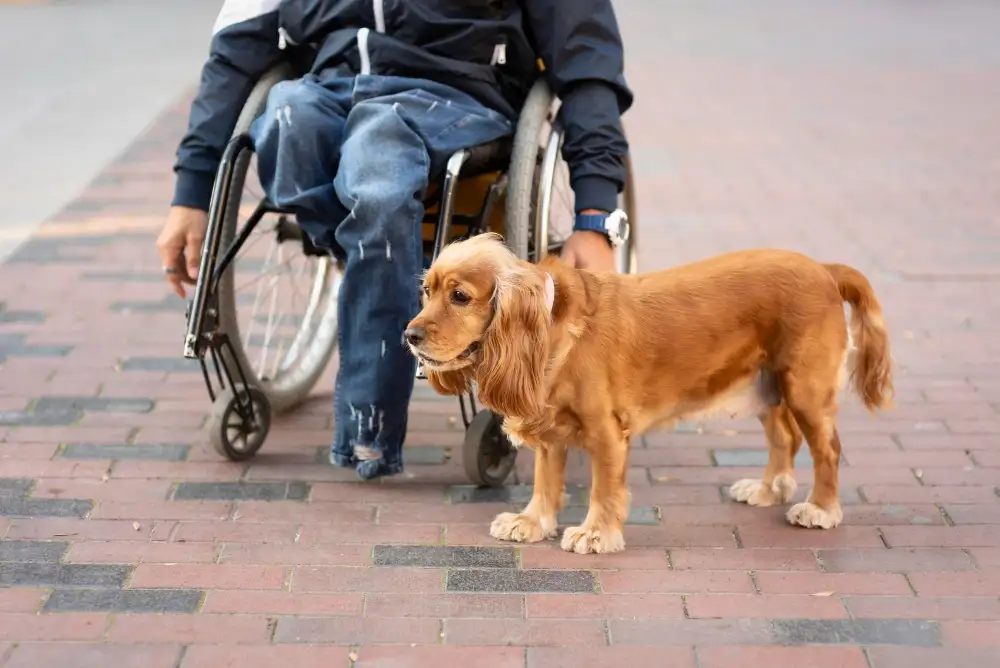
Government-funded service dog programs are more limited than private nonprofit options, but they do exist and are worth pursuing — especially for veterans and Medicaid recipients.
Veterans Affairs Service Dog Benefits
The U.S. Department of Veterans Affairs provides veterans affairs service dog benefits through its Veteran Directed Care program and the VA’s Service Dog Benefits Program. Eligible veterans may receive assistance with acquiring and training a service dog, as well as coverage for veterinary care, equipment, and related expenses. Veterans with PTSD, mobility impairments, or visual/hearing disabilities may qualify for veteran service dog grants through the VA.
Medicaid and Service Dogs
Medicaid and service dogs occupy a complex relationship. While Medicaid does not typically cover the acquisition cost of a service dog, some state Medicaid waivers — including Home and Community-Based Services (HCBS) waivers — may fund related expenses. Coverage varies significantly by state, so contacting your state Medicaid office directly is essential.
State Disability Programs
Many states operate their own disability assistance programs that can provide partial funding toward service dog costs. These government grants for service dogs are administered through vocational rehabilitation offices, state departments of health, or disability services agencies.
Service Dog Eligibility Requirements
Before applying for service dog financial aid, you must understand standard service dog eligibility requirements. While they vary by program, most share common criteria:
- Documented disability: A licensed medical professional must confirm a qualifying physical or mental disability
- Medical necessity documentation: A formal letter from your physician, psychiatrist, or specialist describing how a service dog addresses your disability-related needs
- Demonstrated financial need: Many programs prioritize applicants with low or moderate household income
- Stable home environment: Programs evaluate your ability to care for and work with a service dog responsibly
- Commitment to training: Recipients are often expected to complete a placement training program
Having all of this documentation organized before you apply is one of the most effective ways to strengthen your service dog grant application.
Having all of this documentation organized before you apply is one of the most effective ways to strengthen your service dog grant application. Want to boost your approval chances? Read our Grant Requirements guide.
How to Apply for Service Dog Grants
Knowing how to apply for service dog grants gives you a strategic advantage in a competitive field. Follow this step-by-step process:
Step 1: Identify your disability type and match it to relevant programs
Not every grant covers every disability. Research programs that specifically address your condition, and consider using Grant Research Services to help you find opportunities tailored to your specific needs and eligibility.
Step 2: Gather Documentation
Request a detailed letter from your treating physician outlining your diagnosis and how a service dog addresses your functional limitations, and consider using Grant Resource Guidance to ensure your paperwork aligns with common grant requirements and expectations.
Step 3: Assess your financial need
Prepare income documentation, including tax returns, pay stubs, or benefit statements.
Step 4: Research organizations
Use directories, resources, and reputable nonprofit databases to identify active programs with open applications.
Step 5: Apply to multiple programs simultaneously
Most programs do not restrict you from applying elsewhere. Casting a wide net is advisable.
Step 6: Write a compelling personal statement
Clearly describe how a service dog would make a significant difference in your daily life and independence.
Step 7: Apply for service dog grants online
Many organizations now offer digital applications, making it possible to apply for service dog grants online from home.
Step 8: Follow up and stay organized
Track your submissions, deadlines, and correspondence carefully.
How American Grant Association Can Help
Navigating the landscape of service dog scholarships and grants, government programs, and nonprofit applications can be overwhelming — especially for families already managing the demands of a disability. Organizations like the American Grant Association serve as a bridge between grant seekers and available funding opportunities.
Grant research services help individuals and families identify the right programs based on disability type, financial situation, geography, and eligibility. Professionals with experience in medical necessity documentation, disability funding programs, and grant application strategy can meaningfully increase your chances of success. Rather than spending months searching independently, working with a knowledgeable resource allows you to focus on what matters most — your health and your family.
For anyone unsure where to start, a professional grant consultation can clarify which service dog funding programs are currently accepting applications, which eligibility requirements apply to your situation, and how to present your case compellingly to funders.
Service Dog Grant Application Checklist

Use this checklist to ensure you have the documents needed for service dog funding before submitting any application:
- Signed letter of medical necessity from a licensed provider
- Diagnosis documentation (medical records or disability verification)
- Proof of income and financial need (tax returns, benefit statements)
- Completed program application form
- Personal statement describing your disability and how a service dog helps
- References (medical, personal, or professional — as required)
- Photo ID and proof of residence
- Any prior service dog experience or training records (if applicable)
Waiting Lists and Approval Timelines
Waiting lists for service dogs are a reality, not an exception. Reputable programs invest 18 months to two years in training a single service dog before placement. From the moment you apply, it can take up to two years — or longer — before you receive a trained service dog.
Some programs have waiting lists of three to five years for specific types. This makes early application critical. Applying to multiple programs and exploring interim support through fundraising or crowdfunding can help families manage while they wait.
Fundraising for Service Dogs
When grants and government programs fall short, service dog fundraising can bridge the gap. Families across the country have successfully funded service dog costs through:
Crowdfunding for Service Dog
Fundraising Platforms allow individuals to share their story and raise funds from friends, family, and strangers. A clear, personal narrative with photos and updates tends to perform well.
Local Community Fundraisers
Churches, civic organizations, schools, and local businesses have organized fundraising efforts ranging from bake sales to charity runs. Community sponsorships from local businesses can also provide meaningful support.
Social Media Campaigns
Organic awareness campaigns on social platforms can dramatically expand reach and donations for families in need.
Donate Campaigns with Service Dog Nonprofits
Some organizations allow community members to donate specifically toward the cost of a service dog for a named recipient, making fundraiser campaigns deeply personal and effective.
Is Service Dog Grant Legit?
A common and valid concern is whether service dog grant programs are legitimate. The answer: many are, but scams do exist. Here is how to protect yourself:
Signs of a legitimate program:
- Accredited by Assistance Dogs International or a recognized national body
- Clear, transparent application process with no upfront fees
- Verifiable nonprofit status (search IRS Form 990s at ProPublica Nonprofit Explorer)
- Physical address, staff directory, and documented history
- References and testimonials from past recipients
Red flags to avoid:
- Programs that charge application or processing fees
- Guaranteed approval with no vetting process
- No verifiable address or contact information
- Requests for your Social Security number before a formal application
If something feels off, trust your instincts and verify independently before sharing personal information. Legitimate service animal grant programs never charge money to apply.
Benefits of Service Dogs

The quality of life benefits of service dogs extend well beyond task performance. Research and firsthand accounts consistently show that service dogs help individuals with disabilities:
- Regain independence and reduce reliance on human caregivers
- Manage anxiety, PTSD episodes, and psychiatric crises more effectively
- Navigate public spaces with greater confidence
- Reduce the frequency and severity of medical episodes (seizures, hypoglycemic events)
- Improve social engagement, particularly for children with autism
- Experience reduced feelings of isolation and depression
For veterans and children with disabilities especially, caring for a service dog creates meaningful routine and emotional connection — a dual benefit that no medication or therapy can fully replicate.
Common Mistakes Applicants Make
Avoiding these errors can save you months of lost time and improve your approval odds:
- Applying without proper medical documentation
- Applying to only one program
- Misrepresenting a pet or emotional support animal as a service dog
- Missing deadlines
- Submitting a generic personal statement
- Not following up
Conclusion
The path to obtaining a service dog is rarely simple — but it is far more navigable than most people realize. Between grants for service dogs from established nonprofits, government grants for service dogs available to veterans and Medicaid recipients, and the power of organized fundraising, there is genuine help paying for a service dog available for those who seek it strategically.
Start early. Document everything. Apply broadly. And don’t go it alone. Whether you work with a grant professional, connect with service dog organizations directly, or build a community fundraising campaign, the support you need exists. The goal is simple: getting the right assistance dog into the hands — and lives — of the people who need them most.
For personalized guidance on identifying and applying for service dog funding programs, consider working with an experienced grant research professional who understands the specific requirements and landscape of disability funding in 2026.
Frequently Asked Questions
How do I get grants for service dogs?
Start by identifying programs that match your disability type, gathering your medical documentation, and submitting applications to multiple nonprofit and government programs simultaneously. Applying early and thoroughly is the most effective strategy.
Can I get a service dog for free?
Yes. Organizations like Canine Companions provide fully trained service dogs at no cost to qualified applicants. However, these programs often have long waiting periods and competitive eligibility criteria.
Are there grants for veterans?
Yes. The VA offers veterans affairs service dog benefits, and several nonprofits specifically provide veteran service dog grants. Veterans with PTSD, mobility impairments, or sensory disabilities are prioritized by many programs.
Does Medicaid cover service dogs?
Generally, Medicaid does not cover the cost of obtaining a service dog. However, some state Medicaid waivers may fund related expenses. Contact your state Medicaid office to learn what is available in your state.
How long does it take to get a trained service dog?
From application to placement, the process can take anywhere from one to five years depending on the program, the type of service dog needed, and current waiting lists.
What disabilities qualify for service dog assistance?
Many disabilities qualify, including mobility impairments, blindness, deafness, epilepsy, diabetes, PTSD, and autism. Your disability must be documented, and the service dog must be trained to perform tasks directly related to your condition.
Can children with disabilities get service dogs through grants?
Yes. Programs like Canines for Disabled Kids specifically focus on children with disabilities service dog assistance, including autism service dog grants and mobility placements for minors.
Is there financial assistance for service dogs for people with low income?
Yes. Many programs prioritize applicants based on financial need. Demonstrating low household income in your application can strengthen eligibility for need-based service dog financial aid.
What documents do I need to apply?
Most programs require a letter of medical necessity, disability documentation, proof of income, a completed application, and a personal statement. See the full checklist above for details.
How can I find legitimate service dog funding programs?
Use the Assistance Dogs International member directory, AKC resources, and established nonprofit databases. Look for programs with transparent processes, verifiable nonprofit status, and no application fees.