


Reality of Grants for Cancer Patients
A cancer diagnosis turns life upside down—emotionally, physically, and financially. The average American cancer patient spends tens of thousands of dollars on treatment, and many face impossible choices between paying for care and keeping the lights on. If you or a loved one is searching for free government grants for cancer patients, you are not alone—and help genuinely exists.
This guide breaks down every major source of financial assistance for cancer patients available in 2026: government programs, nonprofit grants, co-pay relief, travel support, and more. We’ll also show you how to apply, what documents you need, and how to spot scams before they cost you time or money.
Are There Free Government Grants for Cancer Patients?
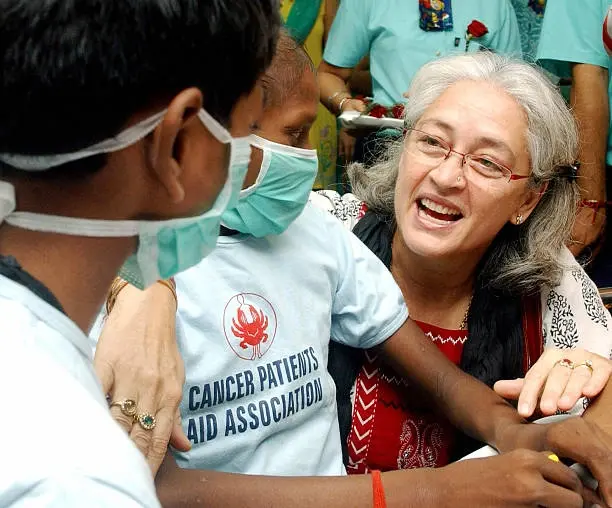
Here’s the honest answer: there is no single federal program officially called “free government grants for cancer patients.” No government agency writes individual checks to patients simply because they have a cancer diagnosis.
What does exist—and what millions of families use every year—is a powerful combination of:
- Government benefit programs (Medicaid, Medicare, SSDI, SSI)
- Nonprofit grants from cancer-focused charities
- Co-pay assistance programs sponsored by pharmaceutical companies
- Prescription assistance for chemotherapy and supportive drugs
- Travel and lodging grants for treatment-related transportation
- Emergency financial assistance for rent, utilities, and daily living expenses
Together, these resources function as government grants for cancer patients in the practical sense: non-repayable financial assistance that reduces the crushing cost of treatment. The key is knowing where to look—and how to apply.
What Types of Financial Assistance Are Available for Cancer Patients?
Cancer patient financial help falls into several broad categories. Understanding each one helps you build a complete support strategy.
|
Type of Assistance
|
Examples
|
Administered By
|
|---|---|---|
|
Government benefits
|
Medicaid, Medicare, SSDI, SSI
|
Federal/State agencies
|
|
Direct nonprofit grants
|
Living expense grants, utility help
|
Cancer charities
|
|
Co-pay assistance
|
Drug co-pay cards, insurance gap coverage
|
Pharma companies, nonprofits
|
|
Prescription assistance
|
Free or low-cost medications
|
Drug manufacturers
|
|
Travel & lodging support
|
Airfare, hotel near treatment centers
|
Nonprofits, airlines
|
|
Emergency assistance
|
Rent, utilities, food
|
Local nonprofits, foundations
|
|
Medical debt relief
|
Hospital charity care, debt negotiation
|
Hospitals, financial counselors
|
Most patients qualify for multiple programs simultaneously. Stacking several sources of cancer treatment financial assistance is not only allowed—it’s encouraged.
Don’t miss out on additional financial support you may be eligible for—discover the full breakdown in Types of Grants in the USA.
Government Programs That Help Cancer Patients
Medicaid
Medicaid is the single most powerful source of healthcare financial assistance for low-income cancer patients. Medicaid for cancer patients can cover hospital stays, chemotherapy, radiation, surgery, and prescription drugs at little to no out-of-pocket cost. Eligibility is based on income, household size, and state of residence. Apply through your state’s Medicaid office or at HealthCare.gov.
Medicare
Medicare covers most cancer patients aged 65 and older, as well as younger individuals who qualify through disability. Medicare cancer coverage includes inpatient hospital care (Part A), outpatient treatment like chemotherapy infusions (Part B), and prescription drug coverage (Part D). Medicare Supplement plans and Medicare Advantage plans can further reduce out-of-pocket costs.
Social Security Disability Insurance (SSDI)
SSDI provides monthly income to cancer patients who can no longer work due to their illness. Many cancer diagnoses—including certain types of leukemia, lung cancer, and pancreatic cancer—qualify under the Social Security Administration’s Compassionate Allowances program, meaning social security disability cancer claims can be fast-tracked for approval within weeks rather than months.
Supplemental Security Income (SSI)
SSI is a program based on financial need that supports individuals with low income and limited resources, without considering their employment history. If you don’t qualify for SSDI, SSI may still provide a monthly benefit to help cover daily living expenses during treatment.
Pro Tip: Ask your hospital’s oncology social worker to help you apply for government benefits. These professionals specialize in connecting cancer patients and families with every available assistance program—at no charge to you.
Nonprofit Organizations That Offer Cancer Grants
American Cancer Society
The American Cancer Society offers American Cancer Society support programs including the Road To Recovery transportation program, free lodging at Hope Lodge facilities near major treatment centers, and a 24/7 helpline connecting patients with additional local and national resources to help with costs.
CancerCare
CancerCare provides financial assistance to cancer patients for treatment-related costs including co-pays, home care, and transportation. CancerCare financial assistance grants are available to patients currently in active treatment. Patients may apply online, and the organization also connects families with oncology social workers for broader financial planning support.
Patient Advocate Foundation
The Patient Advocate Foundation helps people with cancer overcome financial access and treatment barriers by providing case management services and direct financial aid. The Patient Advocate Foundation provides co-pay relief, insurance assistance, and emergency financial grants for eligible cancer patients facing insurance denials or coverage gaps. The patient advocate foundation financial aid program is one of the most widely used cancer assistance programs in the country.
The Pink Fund
The Pink Fund provides grants for breast cancer patients who are in active treatment and have experienced a loss of income. The foundation provides 90-day non-repayable grants to cover basic living expenses such as mortgage, rent, utilities, and car payments—allowing patients to focus on healing rather than bill collection.
Cancer Financial Assistance Coalition (CFAC)
The Cancer Financial Assistance Coalition is a group of major nonprofit cancer assistance organizations that operates a searchable database of cancer support programs. CFAC helps people with cancer overcome financial challenges by connecting them with the right programs and services from dozens of member organizations. It is one of the best free tools available to find additional resources quickly.
Co-Pay Assistance and Prescription Help

Even patients with insurance often face devastating out-of-pocket costs. Co-pay assistance programs and prescription assistance for cancer patients can dramatically reduce these expenses.
- Co-Pay Relief Programs: The Patient Advocate Foundation's Co-Payment Assistance Foundation and NeedyMeds offer disease-specific funds that cover insurance co-pays for chemotherapy drugs.
- Pharmaceutical Patient Assistance Programs (PAPs): Major drug manufacturers including Pfizer, Roche, Bristol Myers Squibb, and AstraZeneca operate patient assistance programs that provide medications free or at reduced-cost to qualifying patients. Ask your oncologist's billing office or a social worker to help you identify and apply for free or reduced-cost drug programs.
- RxAssist and NeedyMeds: These free online databases list hundreds of co-pay relief programs and manufacturer assistance options searchable by drug name or type of cancer.
Travel, Lodging, Rent, and Utility Assistance
Treatment often requires travel to specialized cancer centers—a major burden for patients and families in rural areas or those with limited transportation.
Travel assistance for cancer treatment is available through:
- American Cancer Society Road To Recovery — volunteer drivers for local treatment trips
- Joe's House — discounted lodging near treatment centers nationwide
- Angel Flight — free air transportation for patients traveling long distances
- ACS Hope Lodge — free lodging assistance for cancer patients near major treatment facilities
For home expenses, several organizations provide rent assistance for cancer patients and utility assistance for cancer patients:
- CancerCare emergency grants for household bills
- The Pink Fund (breast cancer patients)
- HealthWell Foundation hardship funds
- Local community action agencies and faith-based organizations
Never overlook local sources of financial support. United Way 211 (dial 2-1-1) connects families in the USA with local emergency assistance programs within hours.
Grants for Specific Types of Cancer
Several foundations provide financial assistance exclusively for patients with a particular diagnosis:
- Breast cancer: Susan G. Komen Treatment Assistance, The Pink Fund, Tigerlily Foundation
- Leukemia/blood cancers: Leukemia & Lymphoma Society (LLS) — one of the largest providers of grants for leukemia patients and co-pay assistance in oncology
- Prostate cancer: ZERO — The End of Prostate Cancer Foundation financial assistance program
- Colorectal / colon cancer: Colorectal Cancer Alliance Patient Support Program, Fight Colorectal Cancer Financial Assistance
If your specific diagnosis isn’t listed, CFAC’s database and your hospital’s oncology social workers can locate cancer grants for individuals across virtually every diagnosis.
Who Qualifies for Cancer Grants?

Cancer grant eligibility varies by program, but most share similar criteria:
- Active cancer diagnosis (some programs extend to survivors)
- U.S. citizenship or legal residency
- Income at or below a threshold (often 300–500% of federal poverty level)
- Currently in active treatment or within a defined period (e.g., treatment within the last 12 months)
- Specific diagnosis (for disease-specific programs)
- Demonstrated financial need (bills, income loss, medical debt)
Some programs—particularly travel and lodging assistance—have no income requirement and are open to all cancer patients regardless of financial situation.
Documents Needed for Financial Assistance
Being organized dramatically speeds up approval. Documents needed for financial assistance typically include:
Required Documents Checklist
- Proof of cancer diagnosis (pathology report, physician letter, or treatment records)
- Government-issued photo ID
- Proof of income (tax returns, pay stubs, Social Security award letter)
- Recent utility bills or lease/mortgage statements
- Insurance card and explanation of benefits (EOB)
- Medical bills showing outstanding balances
- Social Security number for all household members
- Completed program-specific application form
Gathering these in advance allows you to apply for cancer financial assistance online across multiple programs quickly.
Want to know exactly what it takes to qualify and avoid common rejection mistakes? Explore the complete breakdown in Grant Requirements.
How to Apply for Cancer Grants
Step-by-Step Application Guide
- Start with your hospital's social worker. Every accredited cancer center employs oncology social workers whose sole job is connecting patients with financial resources. This is your highest-leverage first call.
- Apply for government benefits immediately. File for Medicaid, SSDI, or SSI as soon as possible—processing takes time, and benefits can be backdated.
- Search CFAC's database at cancerfac.org to identify programs matching your diagnosis, income level, and specific financial needs.
- Contact CancerCare, PAF, and ACS directly—their case managers will guide you through each cancer grant application.
- Ask your oncologist's billing team about pharmaceutical patient assistance programs for your specific medications.
- Apply online where possible.Most major nonprofits allow you to apply online, which is the fastest route to approval.
- Follow up consistently. Given limited funding availability and potential waiting lists for cancer assistance, prompt and complete applications are critical.
Want to master the exact process professionals use to secure funding successfully? Explore our complete guide on How to Apply for Grants in the United States.
How American Grant Experts Can Help
Navigating the landscape of cancer patient financial help is genuinely complex. Programs have different eligibility windows, application formats, documentation standards, and deadlines. Many families leave significant financial aid funds on the table simply because they didn’t know a program existed or missed a deadline.
This is where professional grant funding research and grant application support becomes valuable—not as a replacement for free resources, but as a complement that maximizes results. A knowledgeable grant research partner like the American Grant Association can:
- Conduct a comprehensive assessment of every government program and nonprofit fund you may qualify for
- Prepare complete, accurate cancer grant application packages that meet each program's specific requirements
- Track deadlines and follow up on pending applications
- Identify less-publicized medical grants for cancer patients that don't appear in standard database searches
- Help patients manage multiple simultaneous applications without becoming overwhelmed
For families coping with treatment costs while managing appointments, side effects, and caregiving responsibilities, having an experienced advocate in your corner can mean the difference between receiving meaningful financial relief and navigating the system alone. Quality of life support for cancer patients extends beyond medicine—it includes reducing the financial stress that impairs healing.
How Long Does Cancer Financial Assistance Take?
How long cancer financial assistance takes depends entirely on the program. Emergency funds from CancerCare or PAF can be disbursed within days. Nonprofit co-pay assistance approvals typically take one to two weeks. Government programs like Medicaid can take 45–90 days, while SSDI determinations average three to six months (though Compassionate Allowances cases move faster). Apply to multiple programs simultaneously to ensure continuous support.
Is Cancer Grant Assistance Legit?

Yes, but is cancer grant assistance legit is a fair question because the space does attract scammers preying on desperate families.
Scam Warning Signs — Avoid These:
- Requests for upfront fees to "unlock" grant money
- Unsolicited calls or emails claiming you've been selected for a grant
- Pressure to share bank account numbers or wire money
- Websites with no verifiable nonprofit registration (check GuideStar or Charity Navigator)
- Promises of guaranteed approval or specific dollar amounts
Legitimate programs never charge application fees. Always verify organizations at Charity Navigator (charitynavigator.org) or GuideStar before submitting personal information. Avoid cancer financial scams by sticking to organizations listed on CFAC, the NCI, or major hospital networks.
Best Grants for Cancer Patients in 2026
For a consolidated view of the best grants for cancer patients 2026, here are the top programs by category:
|
Program
|
What It Covers
|
Apply At
|
|---|---|---|
|
CancerCare Co-Pay Assistance
|
Co-pays, transportation, home care
|
cancercare.org
|
|
Patient Advocate Foundation
|
Co-pays, insurance appeals, emergency funds
|
patientadvocate.org
|
|
Leukemia & Lymphoma Society
|
Co-pays, financial counseling
|
lls.org
|
|
The Pink Fund
|
Living expenses (breast cancer)
|
thepinkfund.org
|
|
HealthWell Foundation
|
Premiums, co-pays, deductibles
|
healthwellfoundation.org
|
|
ACS Hope Lodge
|
Free lodging near treatment
|
cancer.org
|
|
NeedyMeds
|
Drug cost reduction database
|
needymeds.org
|
|
CFAC Database
|
Multi-program search tool
|
cancerfac.org
|
Conclusion
Frequently Asked Questions
Are there truly free government grants for cancer patients?
No single federal grant program is specifically called “free government grants for cancer patients.” However, government programs like Medicaid, Medicare, SSDI, and SSI—combined with nonprofit grants—provide non-repayable financial assistance that many patients refer to collectively as cancer grants.
Can I receive financial assistance if I'm still working?
Yes. Many programs are available to working patients who have experienced reduced income or face high out-of-pocket costs. Income thresholds vary by program.
Do I need to repay cancer financial assistance?
Most direct financial assistance from nonprofits and government programs is non-repayable. Make sure you fully understand and verify all conditions before agreeing to receive any funds.
Can I apply to multiple programs at the same time?
Absolutely. Applying to multiple cancer assistance programs simultaneously is standard practice and encouraged. There is no rule preventing patients from receiving assistance from several sources.
What if I was recently diagnosed and haven't started treatment yet?
Most programs accept applications at diagnosis. Applying at the earliest opportunity is often recommended because some organizations that provide cancer-related assistance may have waiting lists.
Is there financial help for family members and caregivers?
Yes. Some programs offer support for families of cancer patients, including counseling services and limited financial assistance. CancerCare and the ACS both have caregiver-focused resources.
What is the Cancer Financial Assistance Coalition?
The Cancer Financial Assistance Coalition is a collaborative network of nonprofit organizations whose database allows patients to search for assistance for cancer across dozens of member programs in one place.
Can cancer survivors still access financial assistance?
Yes. Cancer survivorship financial programs exist, though many require that you have received treatment within the last 12–24 months. Some organizations, including LIVESTRONG and CancerCare, serve survivors specifically.
Is FAFSA relevant for cancer patients?
FAFSA and education grants for survivors are relevant if treatment disrupted college enrollment or if a survivor seeks education assistance afterward. Survivors who are students may qualify for special institutional support.
How does Medicaid differ from Medicare for cancer patients?
Medicaid for cancer patients is income-based and available at any age. Medicare’s cancer-related coverage is generally available to people aged 65 and older, as well as to younger individuals who qualify due to disability. Some patients qualify for both—known as “dual eligibility.”
What financial help exists specifically for chemotherapy patients?
Financial help for chemotherapy patients is available through pharmaceutical patient assistance programs, CancerCare co-pay grants, and the HealthWell Foundation. Many programs specifically list chemotherapy drugs as covered expenses.
How do I find a social worker at my treatment center?
Ask your oncologist, nurse navigator, or the hospital’s main billing or patient services desk. Oncology social workers are standard staff at accredited cancer centers and their services are typically free.
Are there emergency funds for immediate financial crises?
Yes. Emergency financial assistance for cancer patients is available through CancerCare, the Patient Advocate Foundation, and local community action agencies. Some can disburse funds within 48–72 hours for verified urgent needs.
What is the HealthWell Foundation?
The HealthWell Foundation is a nonprofit that provides grants to patients to cover health insurance premiums, co-payments, and deductibles for specific diseases, including many cancers. It is one of the most generously funded cancer support programs in the country.
Note: This article is provided for informational purposes only and does not constitute financial, legal, or medical advice. Program eligibility and availability are subject to change. Always verify current requirements directly with each organization before applying.